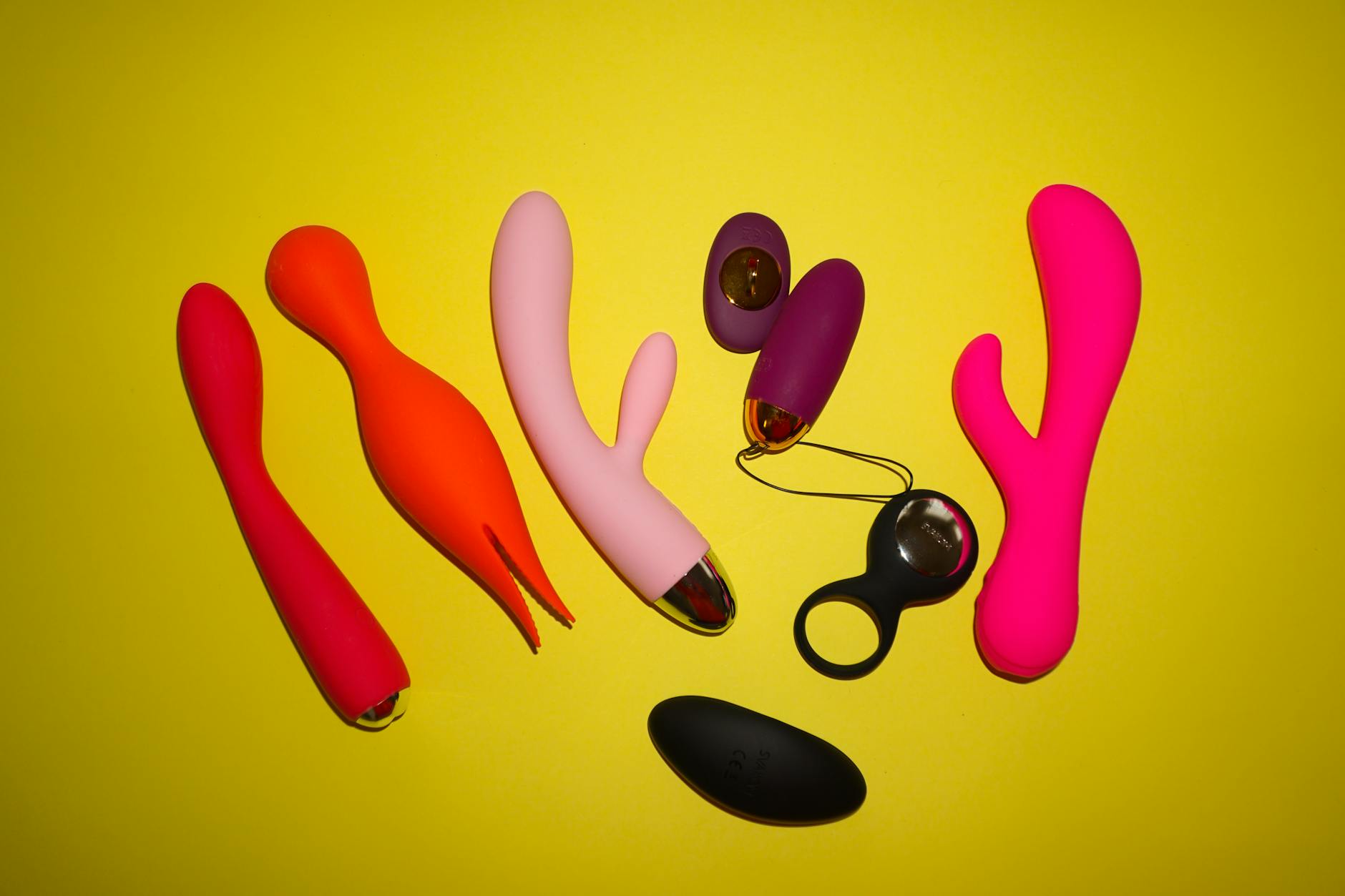
Let's be honest about libido gaps
One of you wants sex three times a week. The other wants it once. Or one wants it every morning, and the other is thinking about it once a month. You love each other. The mismatch doesn't mean the relationship is broken. But it does mean someone's feeling rejected, and someone else's feeling pressured.
I see this constantly in my practice, and the most common mistake couples make is treating it like a problem to solve rather than a dynamic to manage. A lemon clitoral vibrator shifts that entire conversation. Instead of "How do we get on the same schedule," it becomes "How do we both feel satisfied."
Why libido gaps happen
Mismatched desire isn't about love. It's about biology, stress, trauma history, medication side effects, and how your nervous system processes touch. One partner might have a naturally higher baseline of sexual interest. The other might be managing depression, anxiety, or burnout that genuinely tanks their drive. Both things are true. Both need acknowledgment.
Here's what makes the gap dangerous: the higher-desire partner starts feeling rejected ("You don't want me"). The lower-desire partner starts feeling pressured ("I'm not enough"). Neither is true, but the feelings are real. A lemon vibrator doesn't fix the underlying mismatch, but it stops the emotional spiral.
Why? Because it separates pleasure from obligation. If your partner has a higher libido and you're exhausted, using a lemon vibrator means you can be present and intimate without it becoming a two-hour ordeal. You get pleasure. They get connection. Nobody's resentful.
How this changes the dynamic
Let's say your partner wants sex five times a week, and you're good with two. Without anything else in the toolkit, those three "missing" sessions become invisible wedges. Your partner feels chronically unsatisfied. You feel chronically guilty. Neither of you wins.
Now introduce a lemon clitoral vibrator into the equation. On those nights when your partner wants intimacy and you're genuinely not in the mood for penetration or a long session, you have an alternative that doesn't feel like rejection.
You can be present, share the experience, and get pleasure yourself. It takes 15-20 minutes. You both climax. There's no guilt, no pressure, no "I'm sorry I'm not in the mood." You're in the mood. You're just in the mood differently.
This is huge for relationship health. You're not saying no. You're saying yes in a different way.
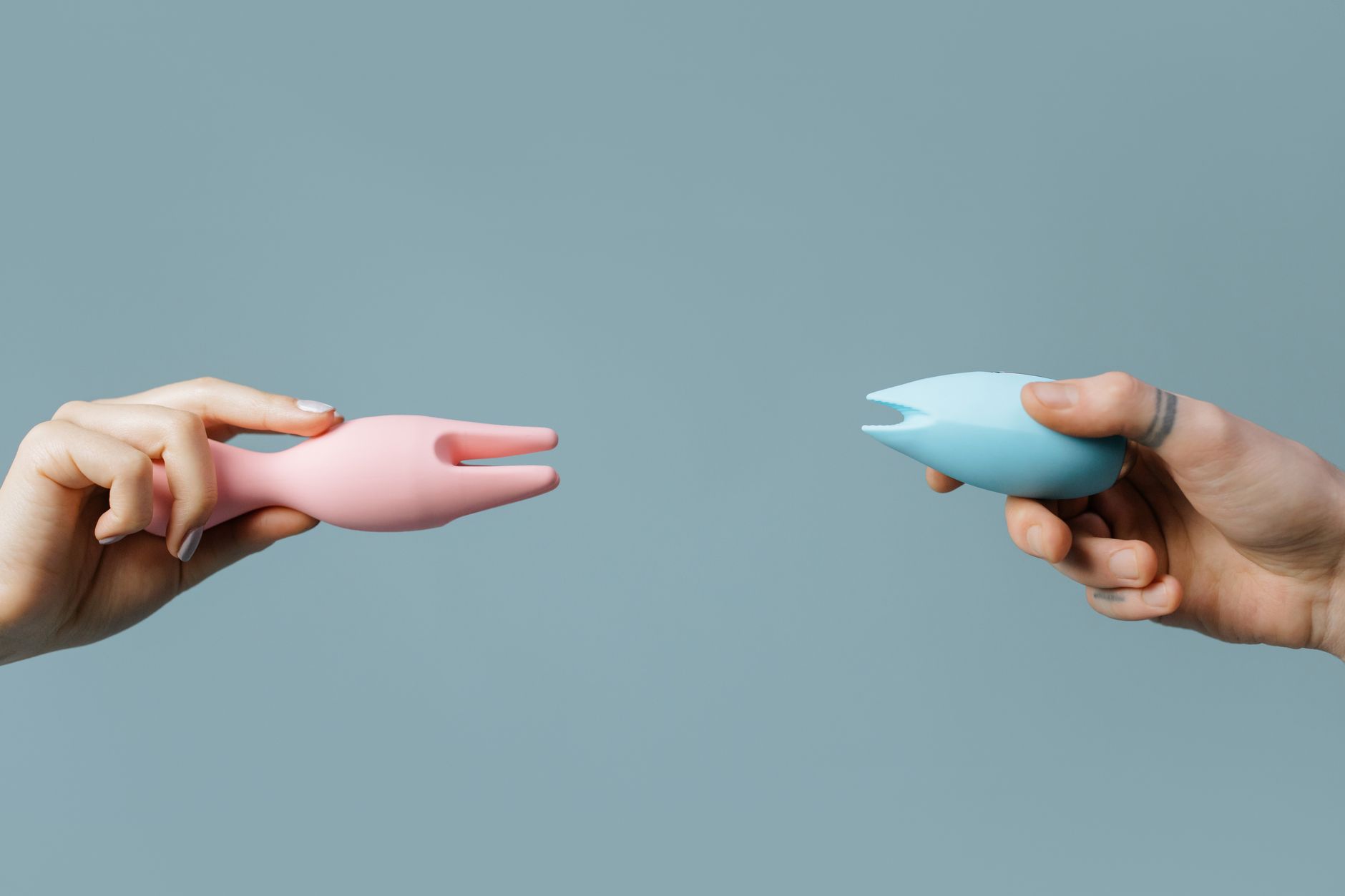
Photo by cottonbro studio on Pexels
Setting expectations (the crucial conversation)
Using a lemon vibrator because of a libido gap only works if both partners are actually on board. This means having a real conversation before you bring one into the bedroom. Not "I want to use a vibrator because you want sex too much," but "I want us both to feel satisfied, and I've been thinking about ways we can connect more without pressure."
Lower-desire partner, here's your opening: "I love you, and I know the gap between what you need and what I can give right now is hard. I want to find ways we can both feel good. Would you be open to exploring something together?"
Higher-desire partner, here's yours: "I know I want more frequency than you do, and that puts pressure on you. I don't want you to feel obligated. What if we found ways to both feel satisfied without one of us having to compromise their body?"
A lemon clitoral vibrator fits naturally into that conversation because it's not about replacing your partner. It's about expanding what intimacy can look like.
How to actually use it when desire mismatches
There are three patterns I see work best.
Pattern One: Parallel pleasure. Your partner initiates sex. You're not in the mood, but you want connection. You bring out a lemon vibrator and have simultaneous orgasms. You're on the bed together, present together, climaxing together. It just looks different from traditional sex. Most couples say this actually feels more intimate because there's zero performance pressure.
Pattern Two: Foreplay swap. For couples where the gap is less about frequency and more about speed, a lemon vibrator can be foreplay. Your higher-desire partner uses it on you during oral, which means you're both getting stimulated at the same time instead of taking turns. Arousal builds faster. The experience feels more equal. You come together.
Pattern Three: Your own thing, together. You each use your own lemon vibrator while touching each other, talking, or simply being in the same space. It sounds simple, but this one actually addresses the deeper issue: when libido gaps exist, couples stop touching altogether because "touching without sex happening" feels like blue balls or teasing. Mutual masturbation with a partner brings back physical intimacy without the pressure of it "going somewhere."
Why the lemon sucker style works specifically
Most lemon vibrators use gentle suction rather than deep vibration. This matters for libido gaps because suction-based stimulation tends to build slower, more controlled pleasure. You can stay in control of your own arousal, which means you can show up for longer sessions without overstimulating.
For someone who's lower-desire, this is a relief. You're not fighting your body's natural pace. You're working with it. For the higher-desire partner, it means they're getting consistent, satisfying stimulation that doesn't rely on you being in the mood to physically perform.
Managing the emotional side
Using a lemon vibrator successfully with a libido mismatch also means checking in on feelings. The higher-desire partner sometimes worries the vibrator means you don't want them anymore. That's worth naming. "I love having sex with you. This just gives us another way to connect when you want it more often than I do."
The lower-desire partner sometimes feels guilty, like they're being selfish by not wanting sex as often. That also needs addressing. "Your pace is valid. My pace is valid. We just need tools that honor both."
Neither person is broken. Neither person is rejecting the other. You're just working with different baseline drives. A lemon clitoral vibrator is one of the simplest ways to bridge that gap without anyone feeling short-changed.
When the gap signals something deeper
Honestly though, sometimes a libido mismatch is pointing at a real problem. Resentment can tank desire. Feeling unseen can tank desire. Stress, depression, or unresolved conflict can absolutely tank desire. Using a vibrator in those situations can help, but it won't fix the root issue.
If the gap came on suddenly, or if the lower-desire partner feels triggered or anxious about sex (beyond just not being in the mood), that's worth exploring with a therapist. A lemon vibrator is a tool for matching desire. It's not a substitute for addressing trauma, shame, or serious relationship rupture.
For most couples though, a libido mismatch is just a mismatch. And a lemon vibrator gives you a practical way to stay connected while honoring what you each need.
FAQ
What if my partner is offended that I want to use a vibrator?
That reaction usually means they're hearing "you're not enough" when the message is actually "I want us both to feel good." Have the conversation separately from the bedroom. Explain that a vibrator isn't a replacement for them. It's a tool that lets you say yes to intimacy more often, in ways that work for your body. If they stay resistant after a genuine conversation, couples therapy can help untangle what's really going on.
Will using a lemon vibrator make my partner want me less?
No. If anything, it usually increases desire because there's less rejection and more connection. When the higher-desire partner feels chronically turned down, that resentment builds over time. A vibrator actually protects the relationship by creating more yes moments, which usually feeds desire.
How often should we use a lemon vibrator if we have a libido gap?
There's no right answer. Some couples use it multiple times a week, others once a month. The key is that it feels like a choice, not a requirement. If it starts feeling like an obligation, it's lost its purpose. You're trying to reduce pressure, not create a new kind of it.
Can we use a lemon vibrator together even if we're on the same page about frequency?
Absolutely. This isn't just for mismatches. Any couple can use a lemon clitoral vibrator to explore sensation together, build arousal faster, or just switch things up. If you're curious, there's no need to wait for a problem.
What if I'm the higher-desire partner?
You might use a lemon vibrator during solo sessions so your need for frequency doesn't put pressure on your partner. Or you might incorporate it into partnered sex so you're both getting intense stimulation at the same time. Talk to your partner about what feels good rather than assuming they'll feel rejected.
Is using a lemon vibrator evidence that something's wrong with our sex life?
No. Tools and variety are actually signs of a healthy sex life. Couples who communicate openly and adapt together tend to have better long-term satisfaction. A vibrator is just communication in object form.
The real fix is connection
A lemon vibrator doesn't solve libido gaps. Connection does. What the vibrator does is give you breathing room to build that connection instead of spending all your energy fighting the mismatch.
When you're not stuck in the rejection cycle, you have room to talk about what's actually going on. Why is their desire so high? Why is yours lower? Is there stress, medication, relationship rupture, or just biological difference? Those conversations happen more easily when nobody feels desperate or guilty.
Start with the conversation. Then consider whether a lemon clitoral vibrator fits your situation. If it does, it usually changes the dynamic faster than anything else I recommend. You're not trying to match each other's baseline. You're just trying to both feel satisfied and connected.
That's achievable. A vibrator is just the tool that gets you there.
If you're ready to explore this together, our collection of lemon vibrators offers everything from beginner-friendly to more advanced. Start with whatever feels least intimidating. Curiosity over performance, always.
Have questions about how to bring this up with your partner, or need support navigating the emotional side? Reach out to us. We're here to help.